A PRIVATE MEDIA SERVER FOR YOUR HOME NETWORK
Your films, on every screen in the house.
lantv runs on one computer and streams your videos to every phone, tablet, laptop and TV at home — in the browser they already have. No accounts. No cloud. Nothing leaves your network.
Why it exists
Private by architecture
There’s no lantv cloud to trust, because there isn’t one. Files stay on your computer; streams stay inside your router. Privacy here isn’t a policy — it’s the wiring.
You approve every screen
The first time a device opens lantv, your computer asks: allow it? One yes and it’s remembered. No accounts to create, no passwords to hand out.
Works on what you own
If it has a browser, it’s a screen — phones, tablets, laptops, TVs, even an Xbox. Nothing to install on any of them, nothing new to buy.
At home, on real screens
One window on the computer that already holds your films, and the browser every other screen already has. Nothing to install on the tablet, the phone or the TV.
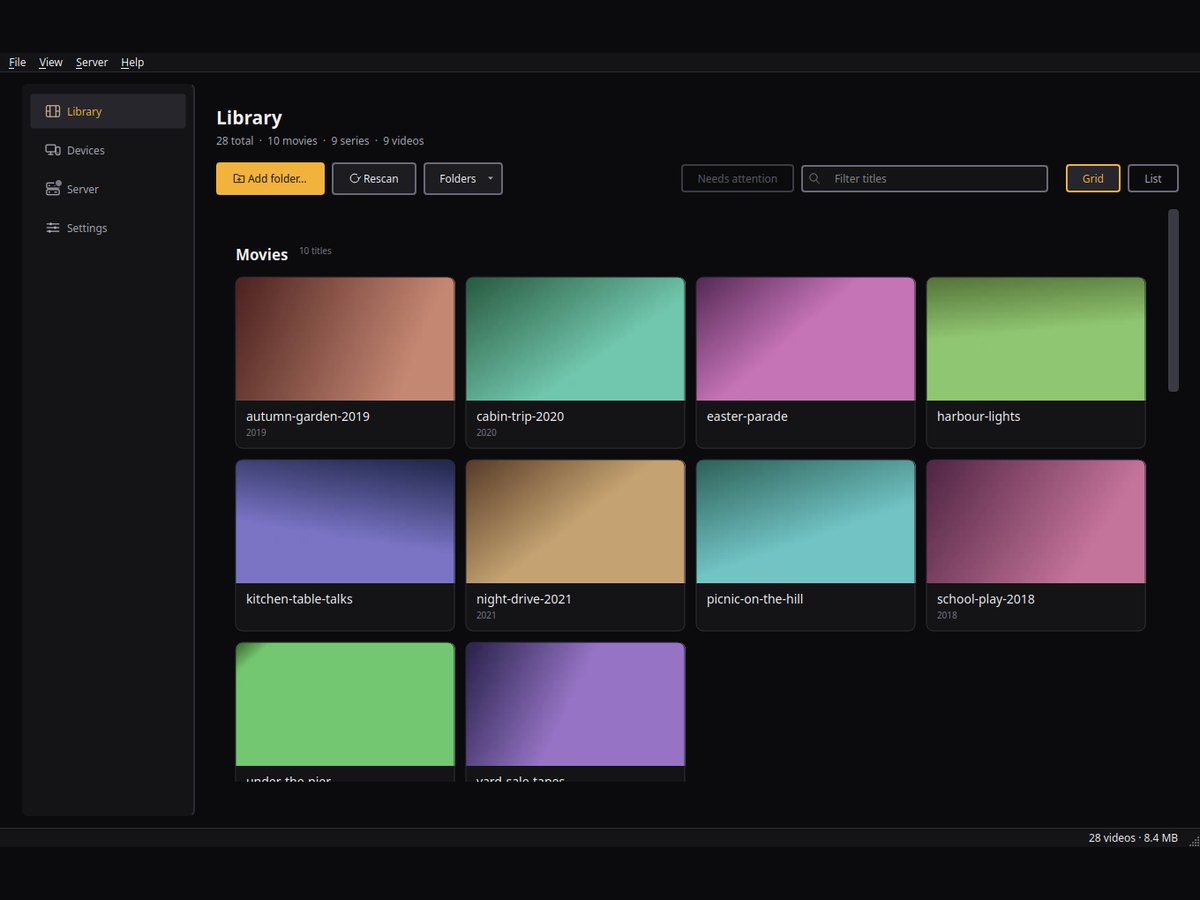
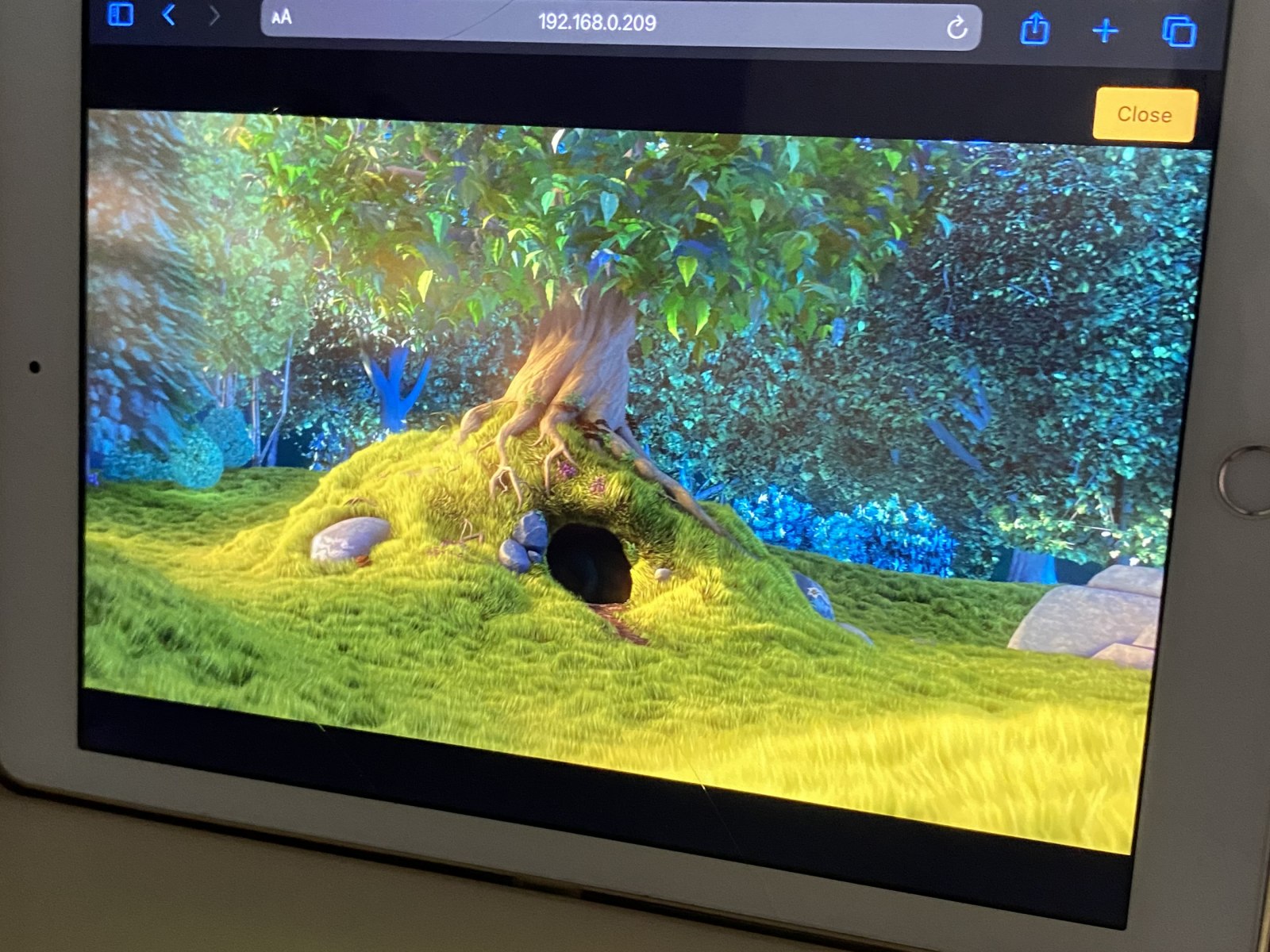
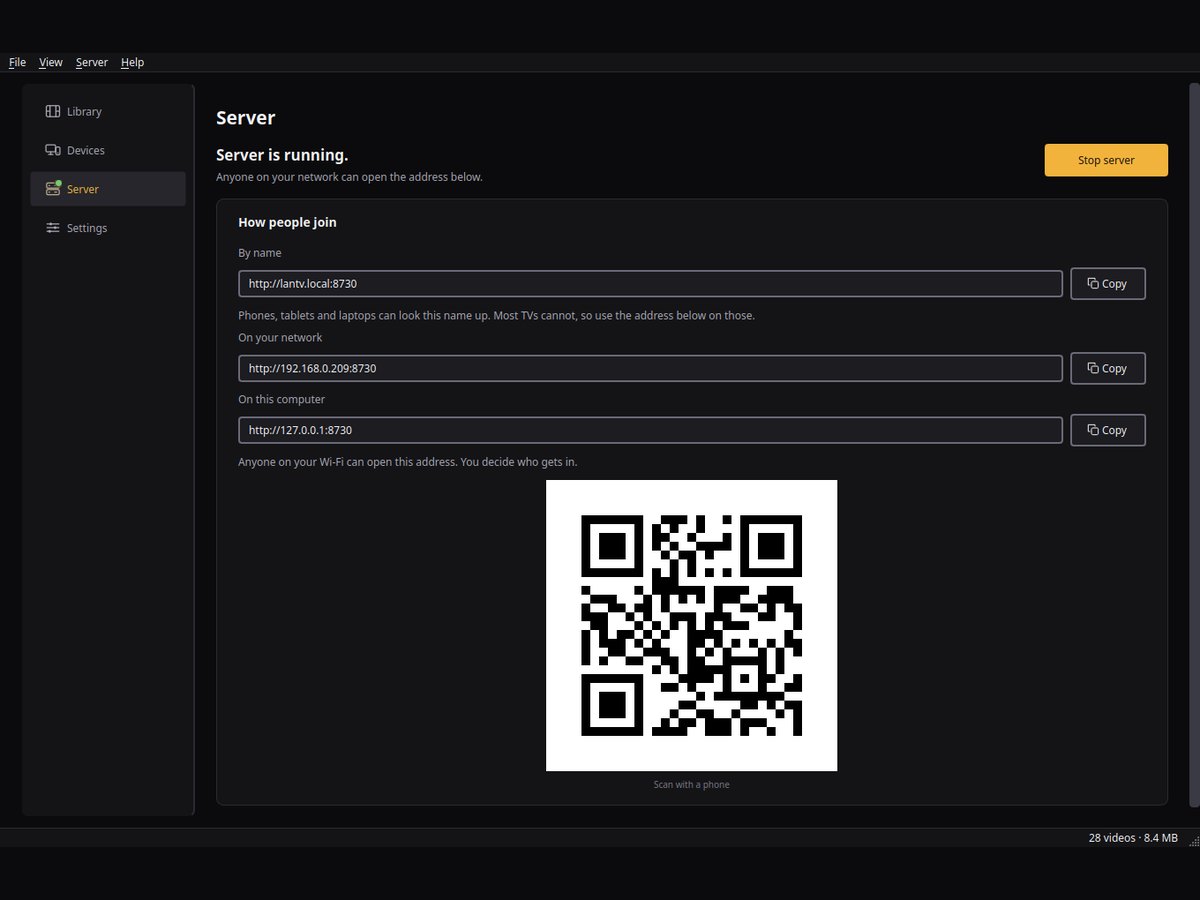
On the screens: Big Buck Bunny — (c) copyright 2008, Blender Foundation / www.bigbuckbunny.org, and Tears of Steel — (CC) Blender Foundation | mango.blender.org
Built for people who keep their own video files — and intend to keep them.
What it doesn’t do
lantv has real limits: no search, no remote access, plain HTTP inside your network, manual metadata, and converting a film your browser cannot decode needs video tools your computer can drive. They’re written up in plain words — you’d find them anyway.